
Compliance Law

Importance of Compliance Law
Compliance law is essential for maintaining public trust and confidence in organizations. When organizations comply with the law, they demonstrate their commitment to ethical business practices and their respect for the rights and well-being of their stakeholders. Compliance law also helps to prevent corporate scandals and financial crises, which can have devastating consequences for individuals, communities, and the economy as a whole. Furthermore, compliance law promotes a level playing field, where all organizations are subject to the same rules and regulations, and are held to the same standards of behavior.
Scope of Compliance Law
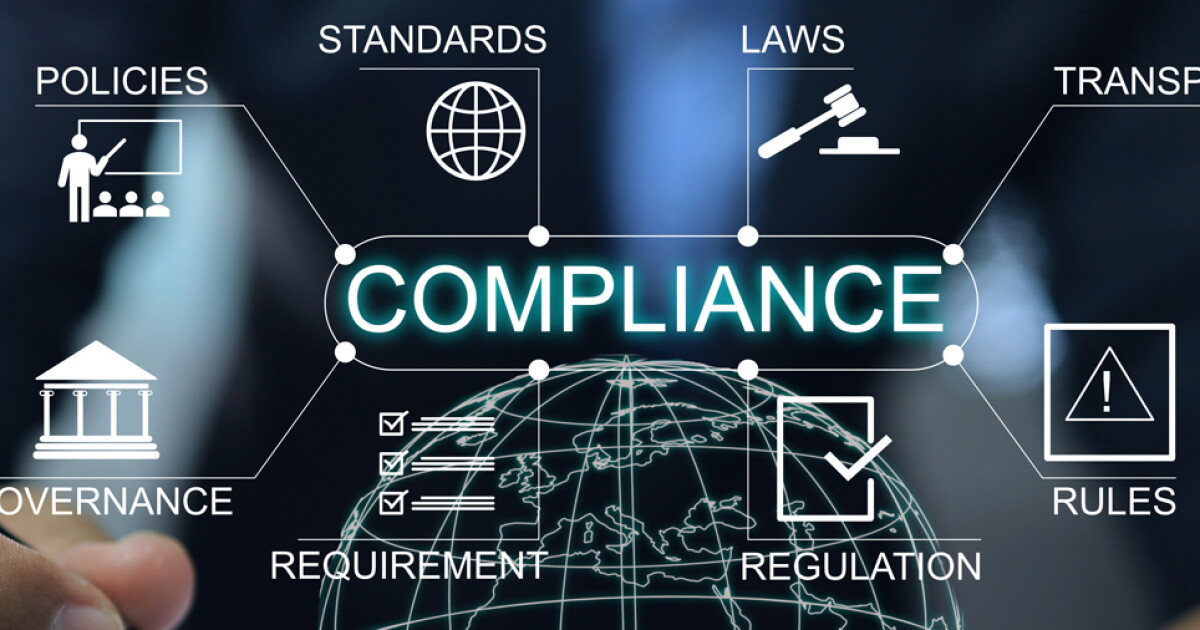
Compliance law covers a wide range of areas, including financial reporting, employment, health and safety, environmental protection, and consumer protection. Financial reporting requirements, such as the Sarbanes-Oxley Act, require organizations to provide accurate and transparent financial information to stakeholders. Employment laws, such as the Fair Labor Standards Act, regulate the treatment of employees and prohibit discriminatory practices. Health and safety laws, such as the Occupational Safety and Health Act, require organizations to provide a safe working environment for their employees. Environmental protection laws, such as the Clean Air Act and the Clean Water Act, regulate the impact of organizations on the environment. Consumer protection laws, such as the Consumer Protection Act, regulate the treatment of consumers and prohibit deceptive business practices.
Financial Reporting Requirements
Financial reporting requirements are a critical aspect of compliance law. Organizations must provide accurate and transparent financial information to stakeholders, including investors, creditors, and regulatory agencies. This includes financial statements, such as the balance sheet and income statement, as well as disclosures about accounting policies, internal controls, and risk management practices. Financial reporting requirements are designed to promote transparency and accountability, and to prevent financial fraud and misrepresentation.
Employment Laws
Employment laws are another important area of compliance law. These laws regulate the treatment of employees and prohibit discriminatory practices, such as discrimination based on race, sex, age, or disability. Employment laws also require organizations to provide a safe working environment, to pay employees fairly, and to provide benefits, such as health insurance and retirement plans. Employment laws are designed to protect the rights and well-being of employees, and to promote fairness and equality in the workplace.
Benefits of Compliance Law
Compliance law provides numerous benefits to organizations and society as a whole. By complying with the law, organizations can avoid penalties and fines, which can be costly and damaging to their reputation. Compliance law also promotes a positive corporate culture, where employees are treated with respect and dignity, and where ethical business practices are valued. Furthermore, compliance law helps to prevent corporate scandals and financial crises, which can have devastating consequences for individuals, communities, and the economy. Compliance law also promotes transparency and accountability, which are essential for maintaining public trust and confidence in organizations.
Challenges of Compliance Law
Despite the benefits of compliance law, there are several challenges that organizations face in complying with the law. One of the main challenges is the complexity of compliance laws, which can be difficult to understand and navigate. Another challenge is the cost of compliance, which can be significant, particularly for small and medium-sized organizations. Additionally, compliance law is constantly evolving, which means that organizations must stay up-to-date with the latest developments and changes. Finally, compliance law can be time-consuming and resource-intensive, which can distract from other business priorities.
Managing Compliance Risks
Managing compliance risks is a critical aspect of compliance law. Organizations must identify, assess, and mitigate compliance risks, which can include risks related to financial reporting, employment, health and safety, and environmental protection. This requires a thorough understanding of the relevant laws and regulations, as well as a robust compliance program that includes policies, procedures, and training. Organizations must also monitor and review their compliance program regularly, to ensure that it is effective and up-to-date.
Implementing a Compliance Program
Implementing a compliance program is essential for ensuring that an organization is complying with the law. A compliance program should include policies, procedures, and training, as well as a system for monitoring and reporting compliance risks. The program should be designed to promote a culture of compliance, where employees understand the importance of complying with the law and are empowered to report compliance risks and violations. The program should also be regularly reviewed and updated, to ensure that it is effective and relevant.
Best Practices for Compliance Law
There are several best practices that organizations can follow to ensure compliance with the law. One of the most important best practices is to establish a robust compliance program, which includes policies, procedures, and training. Organizations should also conduct regular audits and reviews, to ensure that their compliance program is effective and up-to-date. Additionally, organizations should provide ongoing training and education to employees, to ensure that they understand the importance of complying with the law. Finally, organizations should encourage a culture of compliance, where employees feel empowered to report compliance risks and violations.
Conclusion
In conclusion, Compliance Law is essential for maintaining public trust and confidence in organizations. Compliance law promotes transparency, accountability, and fairness, and helps to prevent corporate scandals and financial crises. While compliance law can be complex and challenging, organizations can benefit from establishing a robust compliance program, conducting regular audits and reviews, and providing ongoing training and education to employees. By following best practices and staying up-to-date with the latest developments and changes, organizations can ensure compliance with the law and promote a positive corporate culture.
FAQs
What is compliance law?
Compliance law refers to the legal requirements and regulations that organizations must adhere to in order to operate legally and avoid penalties.
Why is compliance law important?
Compliance law is important because it promotes transparency, accountability, and fairness, and helps to prevent corporate scandals and financial crises.
What are the benefits of compliance law?
The benefits of compliance law include avoiding penalties and fines, promoting a positive corporate culture, and preventing corporate scandals and financial crises.
What are the challenges of compliance law?
The challenges of compliance law include complexity, cost, and the need for ongoing training and education.
How can organizations ensure compliance with the law?
Organizations can ensure compliance with the law by establishing a robust compliance program, conducting regular audits and reviews, and providing ongoing training and education to employees.
What is the role of employees in compliance law?
Employees play a critical role in compliance law, as they are responsible for reporting compliance risks and violations, and for promoting a culture of compliance within the organization.
Odom Law Group
24801 Pico Canyon Road
Suite 100 & 300
Santa Clarita, CA 91381
(661) 367-1699